Don't Buy the Apple Iphone 17 Pro Max Until You Read This Full Analysis
Introduction
The Apple iPhone 17 Pro Max arrives into a market where expectations are as high as prices. For many buyers, the Pro Max suffix is shorthand for the best Apple has to offer: larger screen, longer battery life, the most advanced imaging system, and the highest price. Yet those headline claims do not answer the questions that matter most when deciding whether to buy: How will it perform in daily life? Is the camera improvement meaningful for real photos and video workflows? Does the battery hold up over a long day of mixed use? Is the price justified compared with last year’s model or top Android flagships?
This article gives a thorough, practical analysis intended to help prospective buyers weigh the iPhone 17 Pro Max against their priorities. It focuses on real-world use cases buyers care about — photography, video, battery, gaming, software longevity, ecosystem fit, repairability, and value — and provides an actionable buying guide. The aim is editorial and evidence-driven: not a spec sheet, but an explanation of how features translate into day-to-day experience.
Detailed Product Analysis
Design and Build: Refinement versus radical change
The iPhone 17 Pro Max continues Apple’s premium design language: metal frame, glass surfaces, and precision tolerances. For users who prioritize a premium feel and recognizable brand identity, this remains a key strength. Ergonomically, the Pro Max form favors one-handed reach for shorter individuals and larger-pocket issues for others; in practice it is a device more comfortable for two-handed use, long-form media consumption, and productivity.
Real-world implication: users who often read, edit documents, or watch long-form video will appreciate the larger canvas. Those who value pocketability or minimal weight may prefer smaller Pro or non-Pro models, or an alternative brand that prioritizes lighter chassis materials.
Display: Brightness, color, and usability outdoors
Apple typically pushes display legibility and color accuracy to the top of the market. For the iPhone 17 Pro Max, expect a large, color-accurate OLED with high peak brightness for HDR highlights. That matters in two practical ways: outdoor readability in bright daylight and color-critical photo/video review without carrying a separate monitor.
For everyday users, the increased brightness and adaptive refresh help scrolling feel smooth and make video streaming more immersive. For mobile creators, accurate color and HDR support reduce the need for immediate color correction on a laptop.
Performance and Thermal Management
Apple’s silicon usually leads in single-core performance and power efficiency; that will translate into snappy UI, quick app launches, and long-term software support. High sustained loads — cloud-syncing huge photo libraries, long 4K video exports, or extended gaming sessions — will show where performance and thermal design interact. Effective thermal throttling and sustained peak performance are what separate “fast for a few seconds” from “fast all day”.
In real scenarios: a content creator editing a multi-hour 4K timeline on-device will care about how long the phone can sustain high-performance encoding without throttling. Gamers who play long sessions want consistent frame delivery rather than short bursts of speed that taper off.
Camera System: Practical photography and videography
The camera array on Pro Max models targets photographers and creators. Apple often improves sensor size, image processing algorithms, and telephoto reach, but the critical question is whether those changes matter for everyday photography.
Shop the latest Mobile Phones picks on Amazon.
Browse Now →For family snapshots, travel photos, and quick social videos, software-driven improvements — better HDR, night mode, stabilization — matter far more than a marginal increase in megapixels. For a professional using the phone as a secondary camera, features such as RAW capture, advanced manual controls, optical zoom range, and consistent color across lenses will determine whether the device can replace dedicated cameras for certain shoots.
Battery Life and Charging
Battery life is one of the most tangible user experiences. The Pro Max size historically carries the largest battery, which typically translates into the best all-day endurance among the lineup. However, applicants should weigh real usage: screen-on time for streaming, navigation, photography, social media, and background tasks like mail sync or location services.
Charging speed and ecosystem choices — wired capability, wireless charging, and reverse wireless charging — affect convenience. For frequent travelers with limited time to charge between flights or meetings, charging speed and battery longevity can be deal-breakers.
Software, Updates, and Longevity
Apple’s software support is a consistent advantage: many iPhones receive major iOS updates for half a decade or more. This longevity matters for buyers who want a device that remains performant and secure without upgrading every year. The iPhone 17 Pro Max is likely to benefit from several years of iOS feature updates and security patches, which reduces the effective annual cost of ownership.
Ecosystem, Accessories, and Repairability
For users already invested in Apple services — iCloud, Apple Watch, AirPods, Mac — the integration remains a large convenience factor. Handoff, universal clipboard, and device continuity can significantly boost productivity compared to cross-platform setups.
Repairability, warranty terms, and the availability of independent repair options matter for buyers mindful of long-term maintenance costs. Buyers who travel or work in environments where drops and spills are likely should plan for protective cases and consider AppleCare or similar coverage.
Price and Value Proposition
Pro Max models are priced at the premium end of the market. The question is not only whether the hardware is best-in-class, but whether the incremental benefits justify the price difference over smaller iPhones and flagships from other OEMs. Buyers should map price against what they actually use: if the camera telephoto is rarely used or edge-to-edge brightness is rarely maxed, a smaller or older model may offer substantially better value.
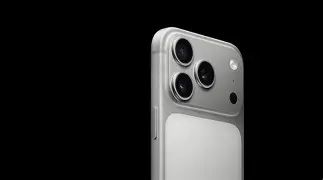
Pros & Cons
- Pros:
- Top-tier display and color accuracy, excellent for media consumption and content review.
- Strong single-core performance and efficient silicon that supports long-term iOS updates.
- Advanced camera features and computational photography that improve low-light and dynamic range results.
- Largest battery in the lineup, typically delivering the best all-day endurance among iPhones.
- Tight integration with Apple ecosystem — continuity features that boost productivity for multi-device users.
- Cons:
- High price relative to smaller iPhones and some Android flagships, questionable marginal value for casual users.
- Large size and weight may be cumbersome for many users and less pocket-friendly.
- Incremental upgrades year-to-year can make last generation models a better value for many buyers.
- Repair costs can be high without extended warranty or insurance.
- Not all software or photo/video features are unique — third-party Android phones may deliver similar capability at lower cost in some areas.
Quick Comparison
The table below helps place the iPhone 17 Pro Max in context relative to a recent previous iPhone and a typical top Android flagship. The entries focus on practical attributes rather than precise numbers, emphasizing user-observable differences.
Looking for the best Mobile Phones deals on Amazon?
Browse Now →| Aspect | iPhone 17 Pro Max | Previous iPhone (Pro Max) | Top Android Flagship |
|---|---|---|---|
| Design & Build | Premium metal/glass, large footprint, refined finishes | Similar premium build; incremental refinements | Varies: premium build, sometimes lighter materials or curved displays |
| Display | Very bright, color-accurate OLED with smooth refresh | Excellent OLED, slightly lower peak brightness | Comparable or higher brightness, sometimes larger resolution options |
| Performance | Leading single-core speed, efficient sustained performance | Still very capable, marginally slower on peak benchmarks | High multi-core performance; more RAM for multitasking |
| Camera | Advanced computational photography, pro video features | Strong photos/video; fewer pro-level controls | Competitive sensors, long zooms on some models |
| Battery & Charging | Large battery; long real-world endurance | Good endurance; often close in day-to-day use | Fast wired charging on many models; endurance comparable |
| Software & Updates | Years of iOS updates and tight ecosystem integration | Same long-term support, may lose a generation earlier | Good update cadence on some brands; generally shorter than Apple |
| Value Consideration | Premium price that rewards ecosystem users and power users | Often better value if discounts available | Can offer more hardware per dollar, depending on the model |
Real-World Use Cases
Daily Commuter and Media Consumer
For someone who uses a phone primarily for streaming, browsing, navigation, and occasional photos, the iPhone 17 Pro Max offers an outstanding display and battery life. However, the practical question is whether the Pro Max’s premium features change the everyday experience enough to justify the higher cost — many commuters will find a smaller Pro or non-Pro iPhone delivers nearly identical utility at a lower price and with better one-handed ergonomics.
Mobile Photographer and Videographer
Mobile creators benefit from advanced stabilization, consistent color reproduction, and pro-level video options. If the iPhone 17 Pro Max extends optical zoom reach, offers better low-light performance, or introduces pro codecs and processing workflows, it becomes a more compelling field tool. For professionals who already own dedicated cameras, the phone remains a high-quality backup or social-media-optimized capture device.
Power User: Productivity and Gaming
Users who rely on a phone for heavy multitasking, long gaming sessions, or on-device editing will appreciate the high sustained performance and large screen. Thermal regulation and battery degradation over time are key considerations: devices that retain performance under sustained load and maintain capacity over years are more cost-effective long term.
Traveler
Travelers care about battery life, camera flexibility, cellular connectivity (including global band support), and durability. The Pro Max can be excellent for travel photography and long travel days, but the added bulk and the necessity of protective cases may alter its convenience for those who pack light.
Buying Guide: Who Should Buy (and Who Should Wait)
Who should seriously consider the iPhone 17 Pro Max
- Existing Apple ecosystem users who rely on cross-device continuity, Handoff, and synchronized services — the added convenience compounds across devices.
- Mobile creators and pros who need the best mobile imaging and video features and want a phone that can serve as a primary or reliable secondary imaging device.
- Power users who prioritize the largest screen and longest on-device processing capability for editing, gaming, or multitasking.
- Buyers who plan to keep their phone for several years — the iPhone’s long software support can make a premium purchase more economical over time.
Who should wait or choose an alternative
- Casual users who primarily make calls, message, browse social media, and take occasional photos — a non-Pro iPhone or a previous generation may be a better value.
- Budget-conscious buyers who prefer more hardware per dollar — some Android flagships deliver comparable cameras or faster charging at lower launch prices.
- Those who prioritize compact size or extreme portability — the Pro Max form factor is large and heavy compared with smaller models.
- Users who own last year’s Pro Max — incremental upgrades often do not justify the immediate cost unless specific new features are essential to the buyer’s workflow.
Practical buying tips
- Assess storage needs realistically. Photo and video workflows can consume large amounts of local storage; cloud backup can reduce the need for maximum onboard capacity.
- Consider protective accessories and insurance if the phone will be used in demanding environments — repair costs without coverage can be significant.
- Evaluate trade-in or upgrade programs to reduce upfront cost, but compare net value to buying a slightly older model at discount.
- Test ergonomics in-store where possible: weight and reach make a tangible difference when holding the phone for extended periods.
- Confirm carrier compatibility for desired features like global 5G bands and eSIM support, especially for frequent international travelers.
Conclusion
The iPhone 17 Pro Max represents Apple’s attempt to marry the largest display, longest battery life, and most advanced imaging capabilities into a single flagship. For people who need a large screen, rely on Apple’s ecosystem, or work in mobile content creation, it is a compelling tool that often justifies its premium price. For everyone else, the gains over prior models or smaller versions may feel incremental rather than transformational.
Before buying, potential purchasers should map the phone’s strengths — display, camera, battery, and ecosystem — to their daily needs. If those strengths align with real use cases, the iPhone 17 Pro Max is a top-tier choice. If not, the market contains many alternatives that deliver similar value for less money or in a smaller, more pocketable form factor.
Ultimately, the right decision depends on priorities. The iPhone 17 Pro Max is best for buyers who know they will use its specific advantages in daily life; others should weigh last-generation models or different form factors before committing to the premium cost.